
Premium Coaching and Nutrition to resolve abdominal pain, constipation, and bloating
3 roots and IBS
In the 3 Roots, Many Branches framework, IBS is viewed not as a standalone disease, but as a "branch" symptom reflecting deeper systemic imbalances. The Genetic root provides the blueprint, such as a predisposition toward a sensitive nervous system or enzyme deficiencies; the Digestion root is often the primary driver, where issues like SIBO (bacterial overgrowth), low stomach acid, or microbiome dysbiosis disrupt normal motility; and the Inflammation root acts as the fuel, where a "leaky" gut lining or food sensitivities trigger immune responses that cause pain and bloating. By addressing these three roots simultaneously—rather than just masking symptoms with anti-diarrheals or laxatives—you resolve the underlying dysfunction that allows IBS to persist.

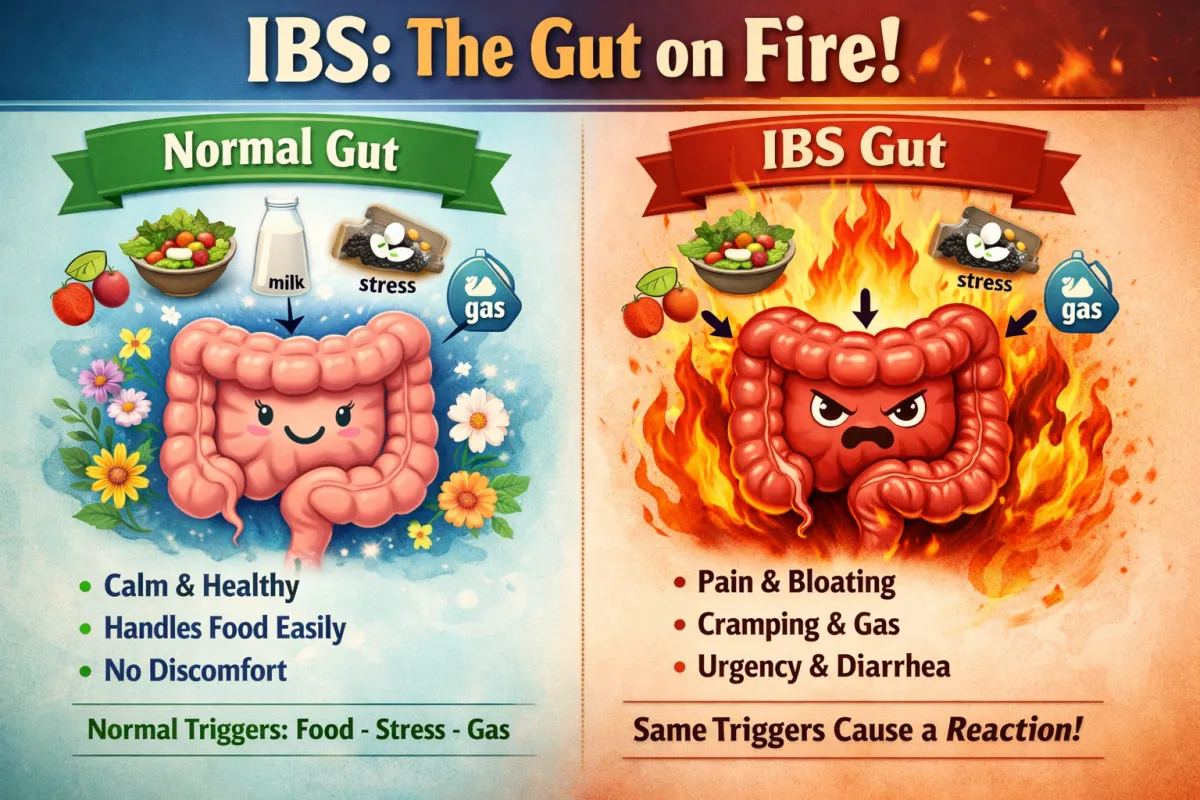
What are the most common IBS trigger
Food:
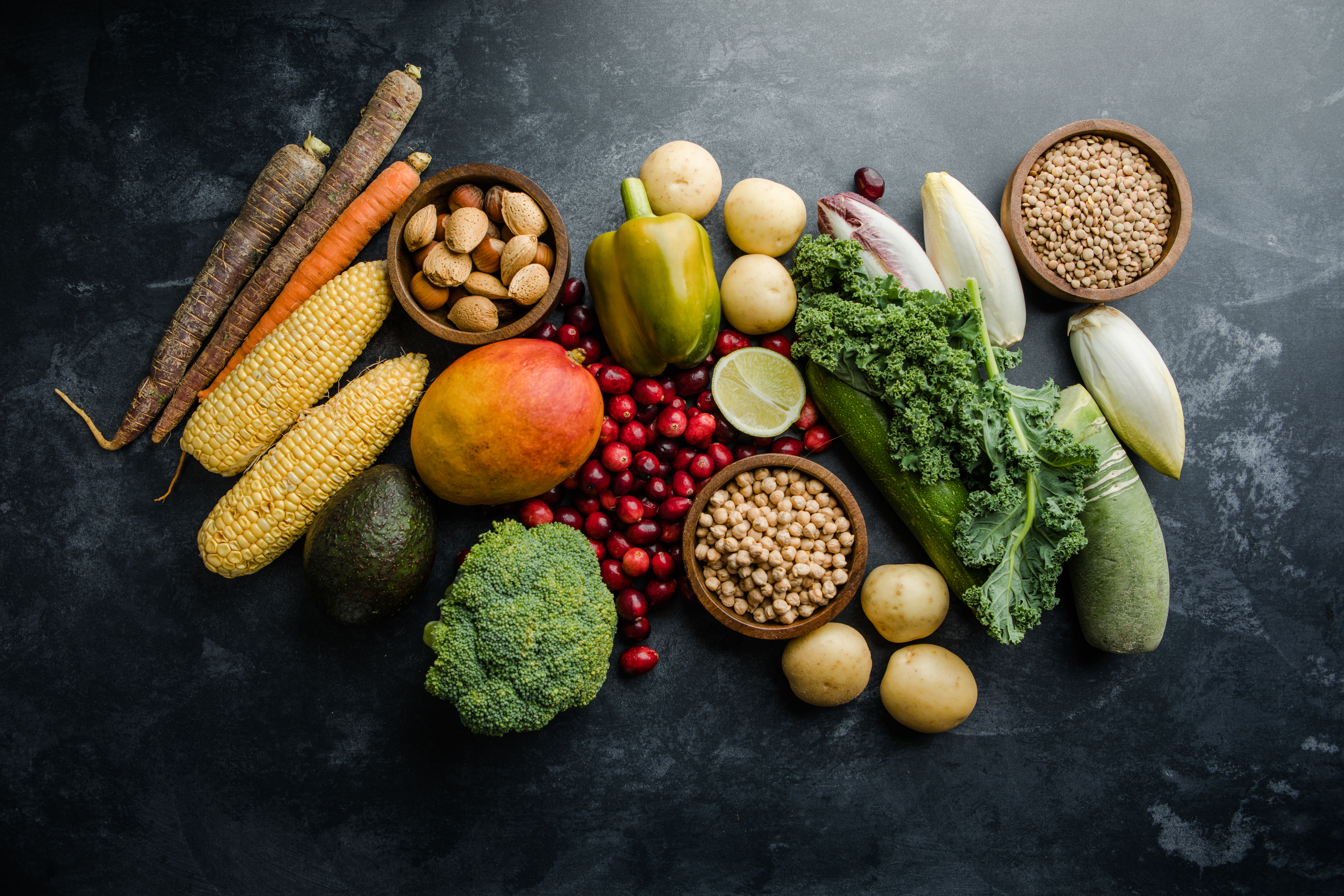
High-FODMAP & Inflammatory Foods
FODMAPs are short-chain carbohydrates that the small intestine has trouble absorbing. They ferment in the gut, causing the "branch" symptoms of gas and bloating.
The Triggers: Garlic, onions, wheat, beans, dairy (lactose), and artificial sweeteners (sorbitol/xylitol).
How to Avoid: Switch to Low-FODMAP alternatives like sourdough bread (limited), ginger, chives (instead of onions), and berries. Focusing on "Low-FODMAP" for 2–4 weeks can help calm the initial inflammation

Stress:
The "Fight or Flight" Response
Stress isn't just "in your head"; it physically shuts down the Digestion Root. When you are stressed, your body redirects blood flow away from the gut, slowing motility and causing pain.
The Triggers: Work deadlines, emotional conflict, or even "rushed eating" (eating while standing or working).
How to Avoid: Practice "Rest and Digest" habits. Take 3 deep diaphragmatic breaths before your first bite to shift your nervous system into the parasympathetic state, and avoid screens while eating to ensure your brain is signaling your gut to produce enzymes.

Environment:
Microbiome Disruptors
Environmental factors can damage the "soil" of your gut, leading to the Inflammation Root.
The Triggers: Antibiotic overuse, chronic NSAID use (like ibuprofen), and environmental toxins (pesticides or mold). These can cause "Leaky Gut" or SIBO.
How to Avoid: Prioritize filtered water and organic produce (to avoid glyphosate/pesticides) when possible. If you must take antibiotics, work with a professional to follow a "re-inoculation" protocol with specific probiotics (like S. boulardii) to prevent the environment from becoming imbalanced.
© Copyright Better Balance 2026. All rights reserved.